
Neoalfa-Q and Sevla DT: Two Pillars of Nutrition and Mineral Management in Kidney Disease
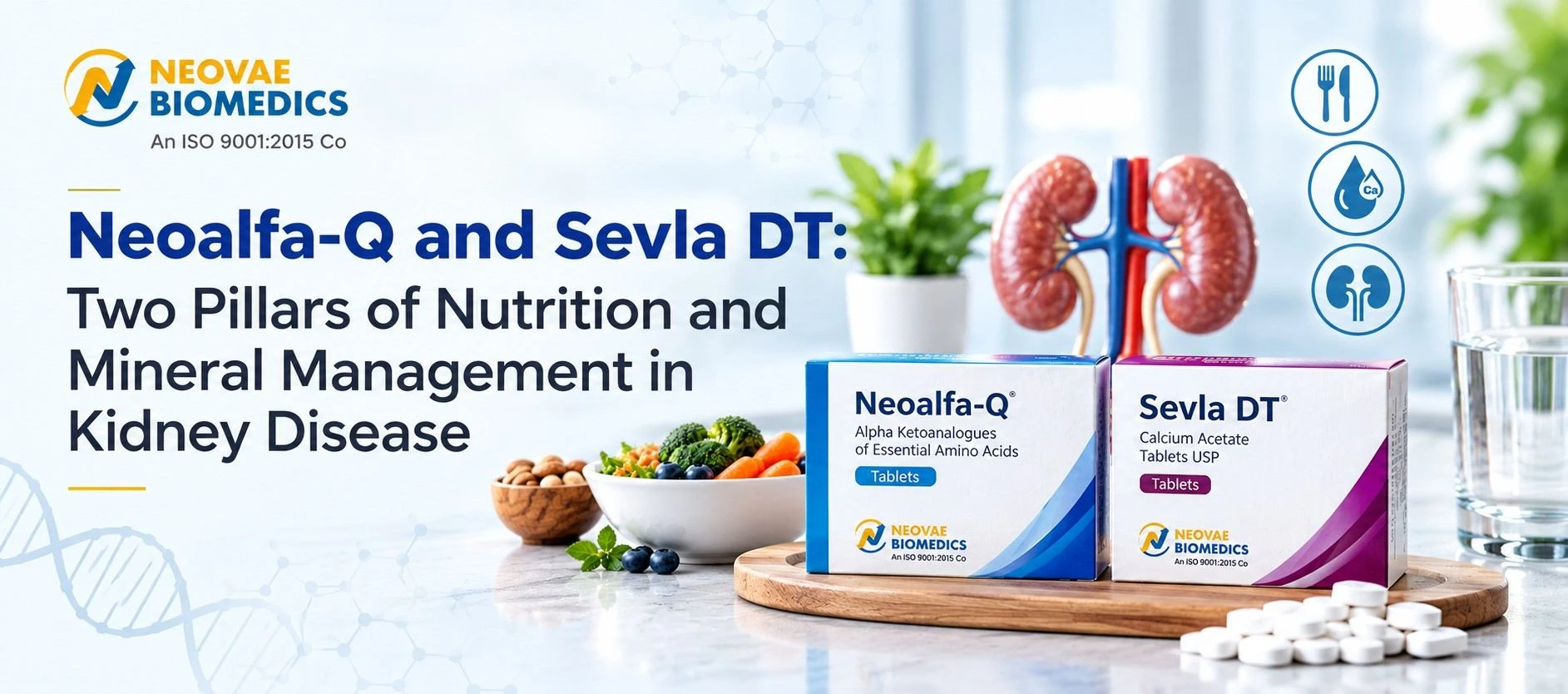
Chronic kidney disease (CKD) rarely stays confined to the kidneys alone. As kidney function declines, two closely related problems tend to emerge: the body struggles to safely process dietary protein, and phosphate, a mineral normally cleared by healthy kidneys, begins to build up in the blood. Neoalfa-Q and Sevla DT are two Neovae products that address these two problems from different angles, and together they illustrate how CKD management often depends on getting the nutritional and mineral side of care right, not just the kidney function numbers on a lab report.
Understanding Why Nutrition and Phosphate Both Matter in CKD
When kidney function drops, doctors often prescribe a low-protein diet to reduce the nitrogenous waste products that a struggling kidney has to filter. But a low-protein diet on its own risks something else: inadequate intake of essential amino acids, which can lead to muscle wasting and poor nutritional status over time. At the same time, declining kidney function means phosphate, which comes from many everyday foods, is no longer cleared efficiently, leading to elevated blood phosphate levels that contribute to bone disease and cardiovascular risk in CKD patients.
This is why CKD care so often involves not just one medication, but a combination of nutritional support and mineral control working side by side.
Neoalfa-Q: Supporting Nutrition on a Low-Protein Diet
Neoalfa-Q contains Alpha Ketoanalogue tablets, specifically formulated to support kidney function and nutritional balance in chronic kidney disease patients who are following a low-protein diet. The alpha ketoanalogue approach works by supplying the carbon skeleton of essential amino acids without the accompanying nitrogen load that a standard protein source would contribute. This allows the body to convert these compounds into usable amino acids internally, helping preserve muscle mass and nutritional status while still keeping dietary nitrogen intake low.
According to Neovae's own product information, Neoalfa-Q tablets are designed to:
• Support kidney function in chronic kidney disease
• Help maintain nutritional balance on low-protein diets
• Reduce the accumulation of nitrogenous waste products
• Support essential amino acid requirements
• Help preserve muscle mass and nutritional status
• Complement dietary management of chronic kidney disease
• Promote overall metabolic and renal health
Importantly, Neoalfa-Q is intended to be taken only under the supervision of a healthcare professional, as part of a prescribed low-protein diet plan. It is not a stand-alone treatment and works best as one part of a broader renal nutrition strategy set by a nephrologist or renal dietitian.
Sevla DT: Controlling Phosphate Buildup
While Neoalfa-Q addresses the protein and amino acid side of CKD nutrition, Selva DT kidney medicine (Sevla DT) addresses the mineral side. Sevla DT contains Sevelamer Carbonate 400 mg, a phosphate binder used specifically to control high blood phosphate levels in chronic kidney disease patients, particularly those undergoing dialysis.
Phosphate binders work by attaching to phosphate from food within the digestive tract, so that it is eliminated through stool rather than absorbed into the bloodstream. This matters because persistently elevated phosphate in CKD patients is linked to weakened bones, calcium imbalance, and increased cardiovascular risk over the long term, making phosphate control a genuine priority rather than a minor lab value to track.
Sevla DT's benefits, as described by the manufacturer, include:
• Helping reduce high blood phosphate levels
• Supporting healthy bone and mineral balance
• Lowering the risk of phosphate-related complications
• Being suitable for patients with chronic kidney disease, especially those on dialysis
• Using a calcium-free formula, which reduces the risk of excess calcium buildup that some older phosphate binders can cause
The calcium-free aspect is worth highlighting, since some phosphate binders used in the past relied on calcium-based compounds, which could contribute to vascular calcification risk over time in patients who already have elevated cardiovascular risk from CKD itself. A calcium-free option like Sevla DT gives doctors an alternative that manages phosphate without adding to that particular concern.
How These Two Products Often Work Together
In many CKD treatment plans, particularly for patients on a structured low-protein diet or those approaching or on dialysis, a nephrologist may prescribe both a nutritional support product like Neoalfa-Q and a phosphate binder like Sevla DT as part of the same overall plan. One helps preserve nutritional status despite dietary protein restriction, while the other manages a mineral imbalance that diet and reduced kidney clearance alone cannot fully control. Neither product is designed to replace the other, and neither replaces the underlying dietary and medical management set out by the treating nephrologist.
| Product | Primary Role | Key Consideration |
|---|---|---|
| Neoalfa-Q | Supports nutrition on a low-protein CKD diet | Must be used alongside a prescribed low-protein diet plan |
| Sevla DT | Controls elevated blood phosphate | Calcium-free formula, taken with meals as directed |
Buying Neoalfa-Q and Sevla DT Through the Right Channels
If you are looking to Buy Neoalfa Q tablets or Sevla DT, doing so through a verified source matters, particularly since both products are used in a chronically vulnerable patient population where product authenticity and correct storage genuinely affect treatment outcomes. When searching for a reliable Neoalfa-Q pharma supplier, a few checks are worth making:
• Confirm the seller is a licensed pharmacy or an authorised hospital supply channel
• Check that a valid prescription from a nephrologist or treating physician is in place, since dosing depends on the individual's diet plan and kidney function
• Verify batch details against Neovae's official product information if there is any doubt about authenticity
• Avoid unverified third-party online sellers that cannot confirm licensing or storage conditions
If you are ready to order Neoalfa-Q medicine for a patient under ongoing renal care, working directly through your hospital pharmacy, a licensed retail pharmacy, or Neovae's official enquiry channels is the safest route. The same applies whether you are trying to buy Neoalfa-Q medicine for the first time or arranging a repeat Neoalfa-Q tablets online order for continued treatment.
Practical Guidance for Patients and Caregivers
• Never adjust the dose of either product independently, since both are calibrated to an individual's diet plan, kidney function, and phosphate levels as monitored by the treating doctor.
• Sevla DT and similar phosphate binders are generally most effective when taken with meals, since they work by binding phosphate from food in the gut.
• Regular blood tests to monitor phosphate, calcium, and overall nutritional markers are a standard part of follow-up care for patients on this kind of combined regimen.
• Any new symptoms, including changes in appetite, unusual fatigue, or gastrointestinal discomfort, should be reported to the treating nephrologist rather than managed independently.
Conclusion
Neoalfa-Q and Sevla DT represent two complementary approaches to a core challenge in chronic kidney disease: keeping a patient adequately nourished while controlling the mineral imbalances that declining kidney function brings. As a Neovae nephrology product line that also extends into Neovae gastroenterology medicines, this pairing reflects how CKD care increasingly depends on addressing nutrition and mineral balance together, rather than treating them as separate concerns. As always, both products should be used strictly under the guidance of the treating nephrologist, as part of an individualised care plan.
Frequently Asked Questions
Neovaebiomedicss: Inside a Specialty Pharma Company in India
Most people know the medicine, not the company behind it. Yet for doctors, distributors, and patients, the maker matters...
What Toxivap Capsule is for and How to Order It Safely Online
Bloating, irregular bowel movements, and an unsettled stomach are common complaints, and they often trace back to the ba...
Forsugar-5 Tablet: A Practical Option for Blood Sugar Management
Living with diabetes is mostly a matter of routine: meals, movement, monitoring, and medicine taken the way it was presc...
Neoalfa-Q Tablets: What They Are For and Where to Buy Them
People with chronic kidney disease are often told to eat less protein. It sounds simple, but cutting protein too far can...
Selva DT Tablet: Uses, Dosage Information and What to Know Before You Buy
When the kidneys cease to clear phosphate from the blood as efficiently as they should, a mineral imbalance results, one...

Forsugar-5 Tablet: A Practical Guide to Managing Type 2 Diabetes
Type 2 diabetes management has evolved considerably over the past two decades, moving beyond a single class of drugs tow...

MV-MAX: Supporting Hair, Nerves and Energy With B-Complex and Biotin
Hair thinning, persistent tiredness and tingling or numbness in the hands and feet are three complaints that seem unrela...
Irovap-S Multivitamin Syrup: One Formula for the Whole Family's Nutrition
Getting a household's daily nutrition right is rarely simple. Children go through picky-eating phases, adults skip meals...
VNG-450 (Valganciclovir 450 mg): Uses, Precautions and What Patients Should Know
Cytomegalovirus, which is generally referred to as CMV, is a virus that the majority of healthy individuals carry withou...

A Practical Guide to Uses, Benefits and Buying of Polycarb Tablet
Iron deficiency anaemia is the most commonly diagnosed nutritional disorder in women, especially during their reproducti...

Irovap Tablet: Composition, Benefits and Everyday Uses
Iron deficiency is one of the most common nutritional deficiencies that we see in clinical practice, whether it occurs i...
Carnivap 300: A Complete Guide to Uses, Benefits and Buying It Safely
If your doctor has lately talked to you about Carnivap 300, or if you've come across it as you're looking into antioxida...
Teninef D for Managing CKD-MBD Through Calcium and Vitamin D3 Support
Chronic kidney disease seldom remains limited to the kidneys themselves; as kidney function decreases, the body's capaci...
Acihold Medicine: Uses, Benefits, And What To Know Before Taking It
Gastric acidity is perhaps one of the most frequent complaints that brings patients to their physician, pharmacist, or h...

The Role of Specialty Medicines in Neurology Treatment
Neurological diseases are unique in terms of having a wide range of manifestation forms with similar diagnoses. For any...
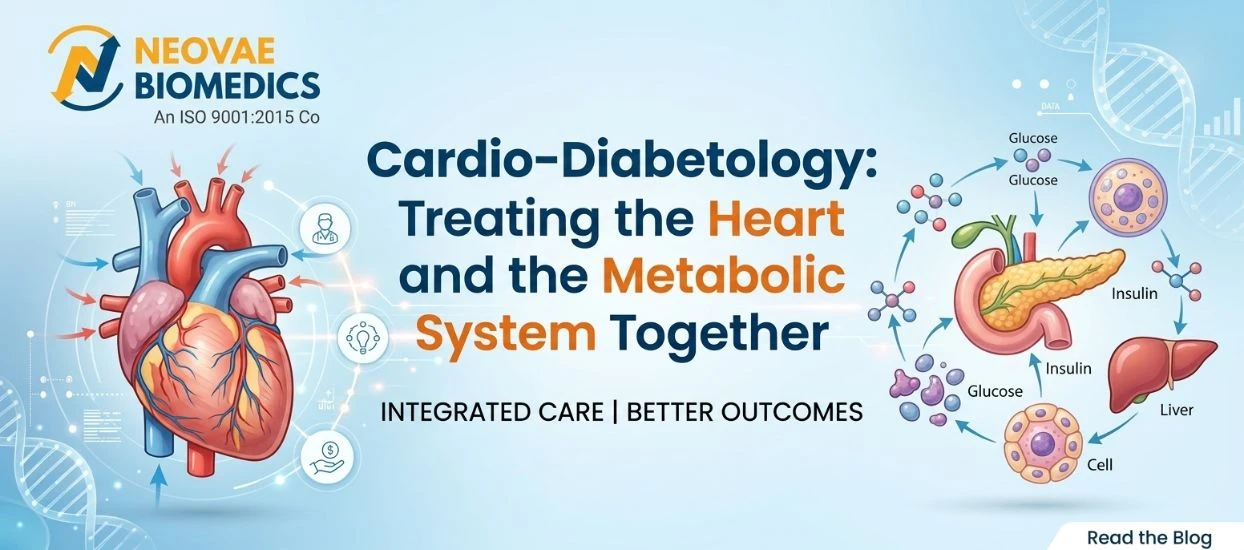
Cardio-Diabetology: Treating the Heart and the Metabolic System Together
Cardiology and diabetology used to exist as two separate worlds, focusing on disparate guidelines and having little over...

The Power of Speciality Healthcare
The human body is an extraordinary network where every organ, tissue, and system depends on another to function efficien...

Talking to Family About a Serious Diagnosis
Clinicians are trained to deliver a diagnosis. Patients rarely get the equivalent training in relaying it to the people...

Understanding Your Treatment Plan & Medicines
A diagnosis rarely arrives with a manual. What follows it, however, usually does: a treatment plan, drawn up by a physic...

A Holistic Vision for the Future of Patient Care
Neovae Biomedics is a speciality healthcare company dedicated to improving patient outcomes through innovation and scien...