
Cardio-Diabetology: Treating the Heart and the Metabolic System Together
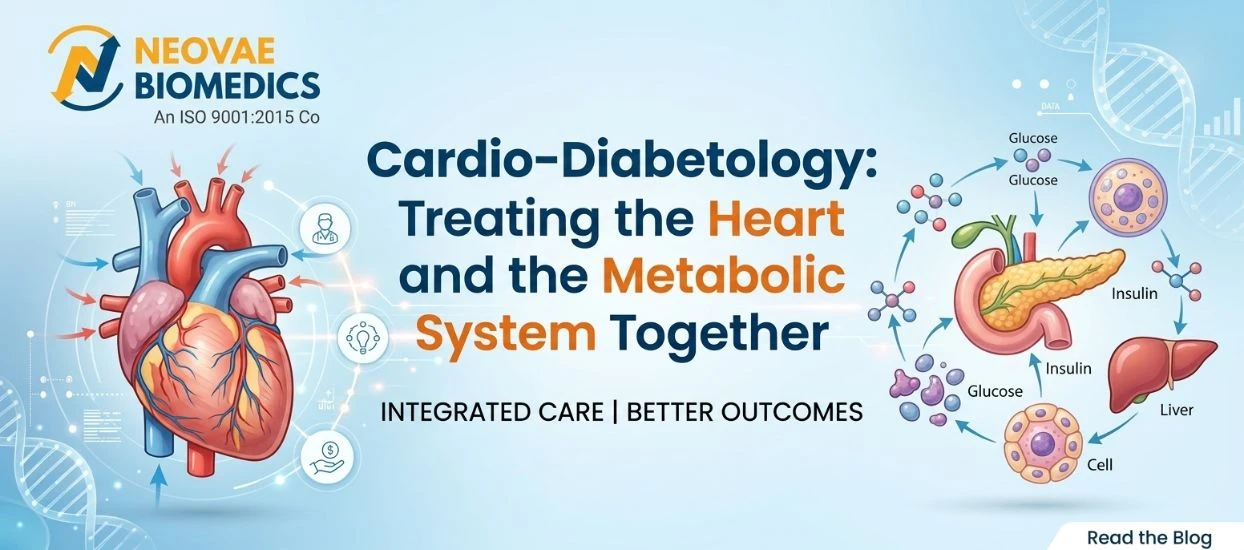
Cardiology and diabetology used to exist as two separate worlds, focusing on disparate guidelines and having little overlap in their respective prescriptions. There is, however, a growing body of evidence linking the two, and the medical field is rapidly evolving to meet the demands of integrated cardiometabolic healthcare, where the dual challenge of diabetes and heart disease is addressed concurrently.
This has been facilitated by an increasing awareness among physicians of the interconnected physiological processes of the two conditions, and a growing number of specialized pharmaceutical products targeting the common factors influencing heart and metabolic health. In this guide, we’ll take a closer look at cardio-diabetology products as a distinct sphere of medicine, and the way it is influencing medical professionals and patients in their day-to-day lives.
What Cardio Diabetology Covers
Cardio Diabetology, otherwise referred to as cardio-diabetology, covers the distinct and complex set of circumstances where patients simultaneously present with cardiovascular and diabetes indications, or with risk factors for either of the two. These can often intertwine to the point of being difficult to distinguish, and, rather than treating the two conditions as isolated occurrences, physicians must instead address the interconnected set of factors comprising the patient’s cardiometabolic profile.
This is, among other things, why diabetes heart problems are so serious, as the presence of one condition often substantially increases the risk for developing the other.
In essence, the phrase cardio-diabetology encompasses:
- Treatment of patients presenting with diabetes and/or cardiovascular symptoms, or those at substantial risk of developing either of the two
- The interplay of factors common to both of the conditions, such as lipid abnormalities, insulin resistance, endothelial dysfunction, etc.
- A holistic approach to managing patients, addressing both the vascular state of the patient as well as their metabolic health
For a practicing pharmacist, this has implications for the kind of prescriptions they might have to consider when addressing any one of the two conditions, as any cardiometabolic issue is also inherently a diabetes issue and vice versa.
Why Diabetes and Heart Disease Are So Closely Linked
There are several potential mechanisms by which diabetes and heart disease jointly contribute to patients’ health being compromised. The two conditions may often exacerbate the development and progression of the other. In diabetic patients, chronically elevated levels of blood sugar damage blood vessels’ endothelium, which accelerates atherosclerosis. Moreover, diabetes often leads to elevated levels of cholesterol and triglycerides, as well as hypertension, all of which are significant cardiovascular risks and can lead to complications such as stroke and peripheral artery disease.
Meanwhile, chronic kidney disease (CKD) is both a diabetes complication and a risk factor for cardiovascular disease, which means that a diabetic patient with CKD will have significantly increased risks of developing heart conditions.
A key aspect of cardio-diabetology is that a physician addressing a patient presenting with symptoms of one of the conditions cannot merely focus on treating that condition in isolation. Instead, the doctor must consider both sets of risks concurrently, which informs their general health outlook as well as the medications they prescribe.
The Case For Integrated Cardiometabolic Healthcare
The most effective way of managing both of the two conditions, at least from the perspective of the patient, is to adopt a cardiometabolic approach as opposed to siloed diabetes and cardiovascular management. In practice, this means that a patient’s cardiovascular risk profile is considered within the broader context of their metabolic health, which informs the physician’s treatment strategy.
This typically also entails a more comprehensive treatment regimen, with both sets of indications being addressed together.
For hospitals and medical facilities, this may mean rethinking their approach to standard diabetes screening, ensuring that cardiovascular risk factors are routinely assessed as part of regular diabetic check-ups. This includes regular monitoring of blood pressure and lipid levels to ensure that cardiovascular disease develops alongside diabetes, if at all, in a manner that is closely tracked and managed. Similarly, the two conditions often inform one another’s treatment, and an integrated approach to managing both of them is frequently necessary.
What Diabetes and Heart Care Look Like in Practice
Coordinated diabetes and heart care looks slightly different for patients, doctors, and pharmacists, but there are a number of shared considerations.
For the doctors, regular screening for diabetes cardiovascular comorbidities is an essential part of a patient’s routine examination. That means that patients do not experience disrupted care due to a physician’s failure to recognize the concurrent development of either of the two conditions. In practice, that entails regular blood pressure and cholesterol screening as part of a diabetic routine examination.
Similarly, the physician must also assess and manage the patient’s overall cardiovascular risk profile, taking into account not only their symptoms but their kidney function and general health outlook. For the patient, such an approach typically entails a more integrated approach to their health, where they receive a more comprehensive understanding of their risks, and take their medications and day-to-day behaviors into account in a more coordinated manner.
For pharmacists and hospitals, the shift toward cardiometabolic healthcare often means an increased number of prescriptions targeting the common factors influencing both diabetes and heart disease. It should also be noted that in addition to prescription drugs there are nutraceutical and adjunct therapies targeting similar indications, which may be used together with standard medications to improve the patient’s outcomes.
As the medical field grows more aware of the interconnectedness of diabetes and cardiovascular disease, the practice of integrated cardiometabolic care is being increasingly promoted, both within the sphere of clinical treatments and as a part of patients’ general health outlook.
What Cardio Diabetology Products Are Available?
With the growing awareness of the interconnectedness of the two conditions comes a number of medications targeting the common causes and mechanisms influencing both diabetes and heart disease. The field of cardio diabetology is served by a variety of pharmaceutical products, primarily nutraceutical and adjunct therapies addressing the interconnected cardiovascular and metabolic health issues, as well as standard prescriptions targeting any of the two conditions.
As a specialty pharmaceutical company operating at the intersection of nephrology, gastroenterology, and rheumatology, Neovae Biomedics is well-positioned to advise pharmacists and physicians on the appropriate products to address their patients’ needs, including those relating to cardio-diabetology. A closer look at the company’s product portfolio, which features a number of therapies targeting chronic kidney disease, cardiovascular disease, and related indications, is available on the Neovae Biosciences website.
Why Neovae Biomedics Specialty Pharmaceuticals Matter
Neovae Biomedics operates as a specialty pharmaceutical company, focusing on the interconnected health issues of the nephrology, gastroenterology, and rheumatology spheres. As such, it has developed a broad product portfolio addressing the complex interplay of the various factors affecting the health of patients in these areas.
As a provider of cardiometabolic healthcare products, Neovae Biomedics can support the efforts of physicians, hospitals, and pharmacies in providing integrated treatment for patients presenting with either of the two conditions, or with either of their cardiovascular or metabolic risk factors.
Physicians and pharmacies can learn more about the company’s products by visiting the Neovae Biomedics website and reviewing the company’s cardio and renal product portfolio.
Cardiology and diabetology used to be two rather separate spheres within the greater domain of medicine, but the recent years have seen a growing awareness within the medical community of the intricate interconnectedness of the two. This awareness has facilitated the emergence of cardio-diabetology as a distinct and unique sphere, where physicians address patients’ concerns pertaining to either diabetes or heart disease in an integrated manner. The benefits of this approach are twofold, as it allows for a more holistic assessment of the patient as well as a more comprehensive treatment plan.
For pharmacists, physicians, and hospitals, this awareness has implications for the medication regimens they may prescribe or recommend to their patients. It is increasingly important, when addressing either diabetes indications or cardiovascular indications, to take into account the impact the treatment may have on the other condition. This is why cardiometabolic healthcare has seen a boom in recent years, and why more physicians and facilities are adopting this approach to providing care to patients with either of the two indications.
Frequently Asked Questions

Neovaebiomedicss: Inside a Specialty Pharma Company in India
Most people know the medicine, not the company behind it. Yet for doctors, distributors, and patients, the maker matters...

What Toxivap Capsule is for and How to Order It Safely Online
Bloating, irregular bowel movements, and an unsettled stomach are common complaints, and they often trace back to the ba...

Forsugar-5 Tablet: A Practical Option for Blood Sugar Management
Living with diabetes is mostly a matter of routine: meals, movement, monitoring, and medicine taken the way it was presc...

Neoalfa-Q Tablets: What They Are For and Where to Buy Them
People with chronic kidney disease are often told to eat less protein. It sounds simple, but cutting protein too far can...

Selva DT Tablet: Uses, Dosage Information and What to Know Before You Buy
When the kidneys cease to clear phosphate from the blood as efficiently as they should, a mineral imbalance results, one...

Forsugar-5 Tablet: A Practical Guide to Managing Type 2 Diabetes
Type 2 diabetes management has evolved considerably over the past two decades, moving beyond a single class of drugs tow...

Neoalfa-Q and Sevla DT: Two Pillars of Nutrition and Mineral Management in Kidney Disease
Chronic kidney disease (CKD) rarely stays confined to the kidneys alone. As kidney function declines, two closely relate...

MV-MAX: Supporting Hair, Nerves and Energy With B-Complex and Biotin
Hair thinning, persistent tiredness and tingling or numbness in the hands and feet are three complaints that seem unrela...

Irovap-S Multivitamin Syrup: One Formula for the Whole Family's Nutrition
Getting a household's daily nutrition right is rarely simple. Children go through picky-eating phases, adults skip meals...

VNG-450 (Valganciclovir 450 mg): Uses, Precautions and What Patients Should Know
Cytomegalovirus, which is generally referred to as CMV, is a virus that the majority of healthy individuals carry withou...

A Practical Guide to Uses, Benefits and Buying of Polycarb Tablet
Iron deficiency anaemia is the most commonly diagnosed nutritional disorder in women, especially during their reproducti...

Irovap Tablet: Composition, Benefits and Everyday Uses
Iron deficiency is one of the most common nutritional deficiencies that we see in clinical practice, whether it occurs i...

Carnivap 300: A Complete Guide to Uses, Benefits and Buying It Safely
If your doctor has lately talked to you about Carnivap 300, or if you've come across it as you're looking into antioxida...
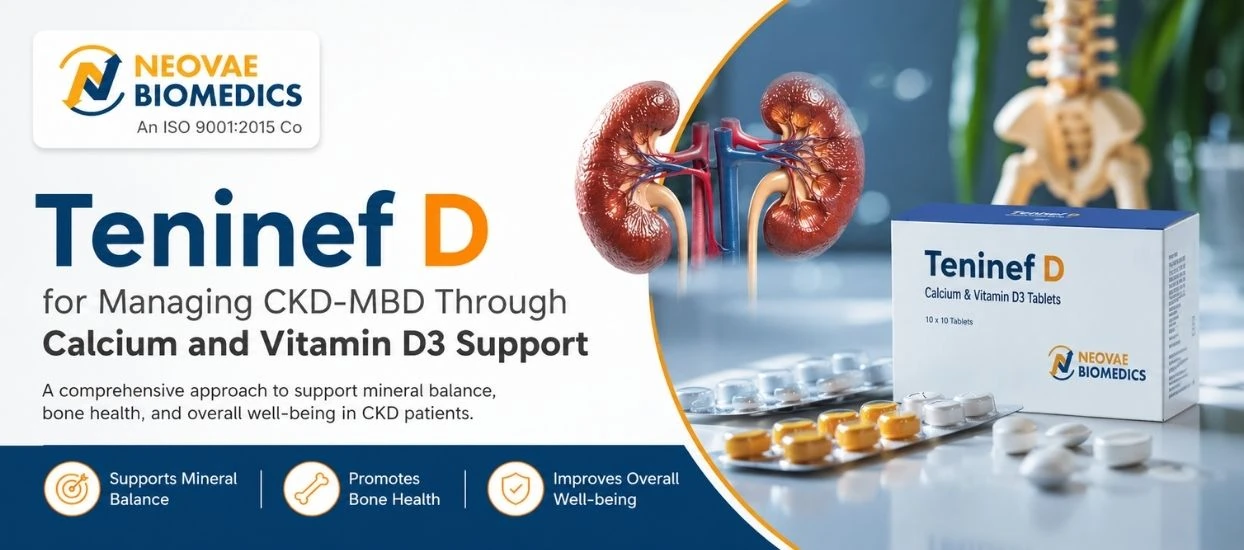
Teninef D for Managing CKD-MBD Through Calcium and Vitamin D3 Support
Chronic kidney disease seldom remains limited to the kidneys themselves; as kidney function decreases, the body's capaci...
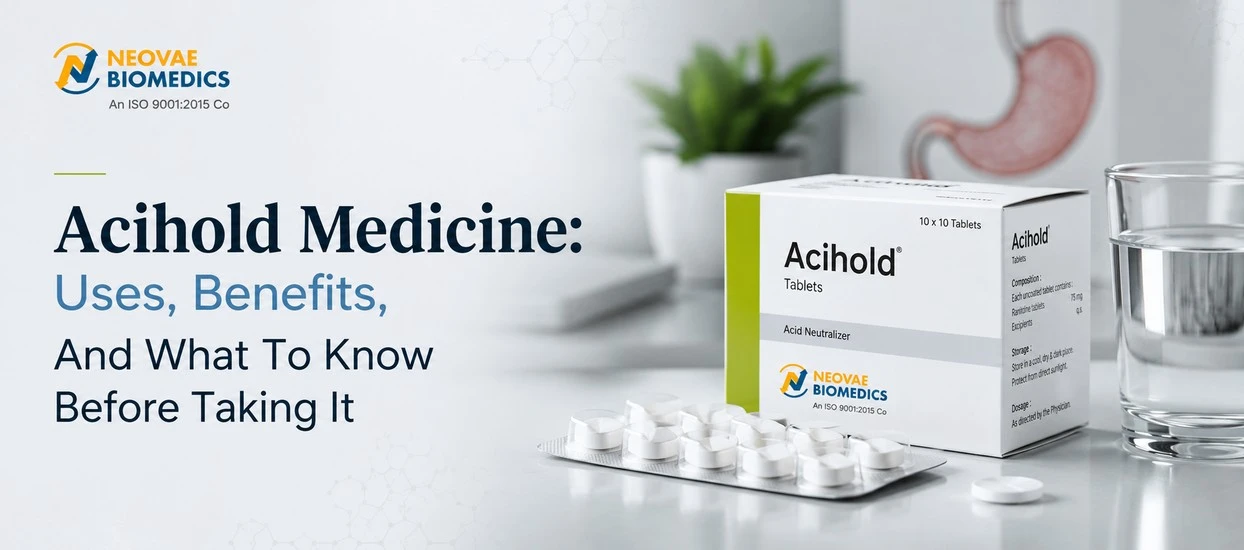
Acihold Medicine: Uses, Benefits, And What To Know Before Taking It
Gastric acidity is perhaps one of the most frequent complaints that brings patients to their physician, pharmacist, or h...

The Role of Specialty Medicines in Neurology Treatment
Neurological diseases are unique in terms of having a wide range of manifestation forms with similar diagnoses. For any...

The Power of Speciality Healthcare
The human body is an extraordinary network where every organ, tissue, and system depends on another to function efficien...

Talking to Family About a Serious Diagnosis
Clinicians are trained to deliver a diagnosis. Patients rarely get the equivalent training in relaying it to the people...

Understanding Your Treatment Plan & Medicines
A diagnosis rarely arrives with a manual. What follows it, however, usually does: a treatment plan, drawn up by a physic...

A Holistic Vision for the Future of Patient Care
Neovae Biomedics is a speciality healthcare company dedicated to improving patient outcomes through innovation and scien...